








Calan Mai: Meaning, Traditions, and Modern Celebrations
Calan Mai, also known as May Day in Wales, is a traditional spring festival celebrated on May 1st. Rooted in ancient Celtic customs, Calan Mai marks the beginning of summer and is closely associated with seasonal renewal, fertility, and protection rituals. Today, it continues to be observed across Wales and beyond, blending historical folklore with modern festivities.

Quick Facts About Calan Mai
- Date: Celebrated on May 1st each year
- Meaning: “First day of May” in Welsh
- Seasonal Significance: Marks the beginning of summer in Celtic tradition
- Cultural Roots: Welsh festival linked to the ancient Celtic celebration of Beltane
- Key Symbols: Bonfires, hawthorn (May flowers), and maypoles
- Traditional Activities: Dancing, feasting, decorating homes, and lighting fires for protection
- Related Term: Calan Hâf, meaning the start of summer, often used interchangeably with Calan Mai
What Does Calan Mai Mean?
The term Calan Mai comes from the Welsh words:
- “Calan” meaning “first day” or “calends”
- “Mai” meaning “May”
Together, Calan Mai simply means “the first day of May.” It is one of the four major Celtic seasonal festivals, alongside Samhain, Imbolc, and Lughnasadh.
What Is Calan Hâf?
Calan Hâf is another Welsh seasonal term that also refers to the beginning of summer, and it is often used interchangeably with Calan Mai. However, there is a subtle distinction in usage:
- Calan Mai specifically refers to May 1st (May Day)
- Calan Hâf translates more broadly to “first day of summer”
In traditional Welsh culture, both terms are closely connected to the same seasonal shift, but Calan Hâf may appear more in poetic or descriptive contexts when referring to the summer season as a whole.
Historical Origins of Calan Mai
Calan Mai has its origins in ancient Celtic traditions, particularly the festival of Beltane, which celebrated the transition from winter to summer. Communities believed this time of year held powerful spiritual significance, when the boundary between worlds was thinner and natural forces were especially active.
Historically, people across Wales would:
- Light bonfires to cleanse and protect
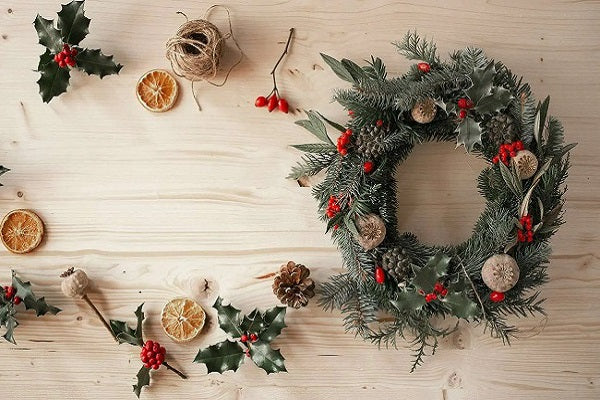
- Decorate homes with hawthorn branches and flowers
- Participate in rituals to ensure fertility of land and livestock
- Guard against mischievous spirits believed to roam freely at this time
Doctor Who and Beltane
During the famous BBC series Doctor Who, Beltane (often spelled "Beltaine") is specifically referenced in the Third Doctor story The Demons (1971). The Master uses the occult festival of Beltane, a traditional Gaelic May Day festival marking the beginning of summer as the backdrop for his plan to summon Azal.
Traditional Calan Mai Customs
Many charming and symbolic customs are associated with Calan Mai. Some of the most well-known include:

-
May Poles and Dancing
Villages would erect a Maypole, around which people danced, weaving colourful ribbons. This symbolised unity, growth, and the intertwining of community life. -
Gathering Hawthorn (May Flowers)
Hawthorn blossoms, often called “May flowers,” were gathered and placed around doorways to bring good luck and protection -
Bonfires for Protection
Large communal fires were lit on the eve of Calan Mai. People believed jumping over or walking near the flames could ward off illness and bad spirits. -
Seasonal Feasting
Communities came together to celebrate with food and drink, welcoming the abundance of the coming summer months.

Calan Mai in Modern Times
Today, Calan Mai is celebrated in a variety of ways, from traditional folk events to contemporary festivals. In Wales, it remains an important cultural celebration, often featuring:
- Folk music and dancing
- Local food markets
- Community gatherings and parades
Beyond Wales, Calan Mai is often recognised as part of broader May Day celebrations, which are observed across Europe and other parts of the world.
Why Calan Mai Still Matters
Calan Mai continues to resonate because it reflects universal themes:
- Renewal and rebirth
- Connection to nature
- Community and celebration
In a modern context, it offers an opportunity to reconnect with seasonal rhythms and cultural heritage, making it both meaningful and relevant today.
Final Thoughts
Calan Mai is more than just a historical festival. It is a vibrant celebration of life, growth, and the changing seasons. Whether observed through traditional customs or modern interpretations, it remains a powerful symbol of renewal and community spirit.
For businesses and individuals alike, embracing Calan Mai can bring fresh inspiration, meaningful engagement, and a deeper connection to the rhythms of the year.
FAQ: Calan Mai and Calan Hâf
What is Calan Mai?
Calan Mai is a traditional Welsh festival held on May 1st that marks the start of summer and is linked to ancient Celtic celebrations of seasonal change.
What is the difference between Calan Mai and Calan Hâf?
Calan Mai refers specifically to May 1st, while Calan Hâf is a broader term meaning the beginning of summer. They are closely related and sometimes used interchangeably.
Is Calan Mai still celebrated today?
Yes, especially in Wales, where it is marked by festivals, cultural events, and community gatherings.
What is Beltane and how is it connected?
Beltane is the ancient Celtic festival that Calan Mai is based on, both celebrating the start of summer.
Is Calan Mai the same as Beltane?
Calan Mai is the Welsh equivalent of Beltane, both marking the transition from winter to summer in Celtic traditions.
Why were bonfires important during Calan Mai?
Bonfires were believed to cleanse, protect against evil spirits, and bring good fortune for the coming season.