







The Sustainable Craft Materials Makers Actually Need
Last Updated: 24 November 2026
Quick Summary
Sustainable craft materials for makers are supplies sourced, produced and disposed of in ways that limit environmental harm while still performing well, such as natural or recycled fibres, low-impact dyes and minimal plastic packaging. Choose materials durable enough to justify the resources used, and ask suppliers where a material was made, what it is made of and what happens to it at end of life.
- Natural and biodegradable options include wool, cotton, linen, silk and bamboo, which are renewable and break down at end of life.
- Thin recycled card can warp under wet media, so check the gsm before buying.
- Reuse is the cheapest sustainability strategy: sort fabric scraps, glass jars and cardboard before you store them.
- Take fallen wood, bark and shells rather than cutting from living plants, and never collect from nature reserves.
- Buying less and buying better reduces waste more than swapping one disposable supply for a greener one.
Want yarn you can trace back to the fleece?Organic British wool yarn, hand dyed in small batches in Wales.
Shop Welsh Wool Yarn
Table of Contents
- What are sustainable craft materials for makers?
- Eco-friendly craft supplies that earn their place in your studio
- Recycled craft materials and reused household finds
- Natural materials from wood, bark, shells and the garden
- How do you verify sustainability claims before buying?
- Comparing material types at a glance
- Building a low-waste crafting practice that lasts
- Frequently Asked Questions
What are sustainable craft materials for makers?
Sustainable craft materials for makers are supplies sourced, produced and disposed of in ways that limit environmental harm while still performing well, natural or recycled fibres, low-impact dyes and finishes, minimal plastic packaging, and materials durable enough to justify the resources used.
The market is growing fast, the 2026 arts and crafts market forecast puts it at tens of billions of pounds, so demand is real and so is the opportunity for vague green claims. Researchers have long argued that craft and sustainability are deeply linked, not adjacent trends (Lancaster University research on crafting sustainability). At TirGlas, we work in this space every day: small-batch Welsh wool, natural dyes, botanical inks and workshops.
Eco-friendly craft supplies that earn their place in your studio
The test is simple: does the material do its job well, and does its environmental story survive scrutiny?
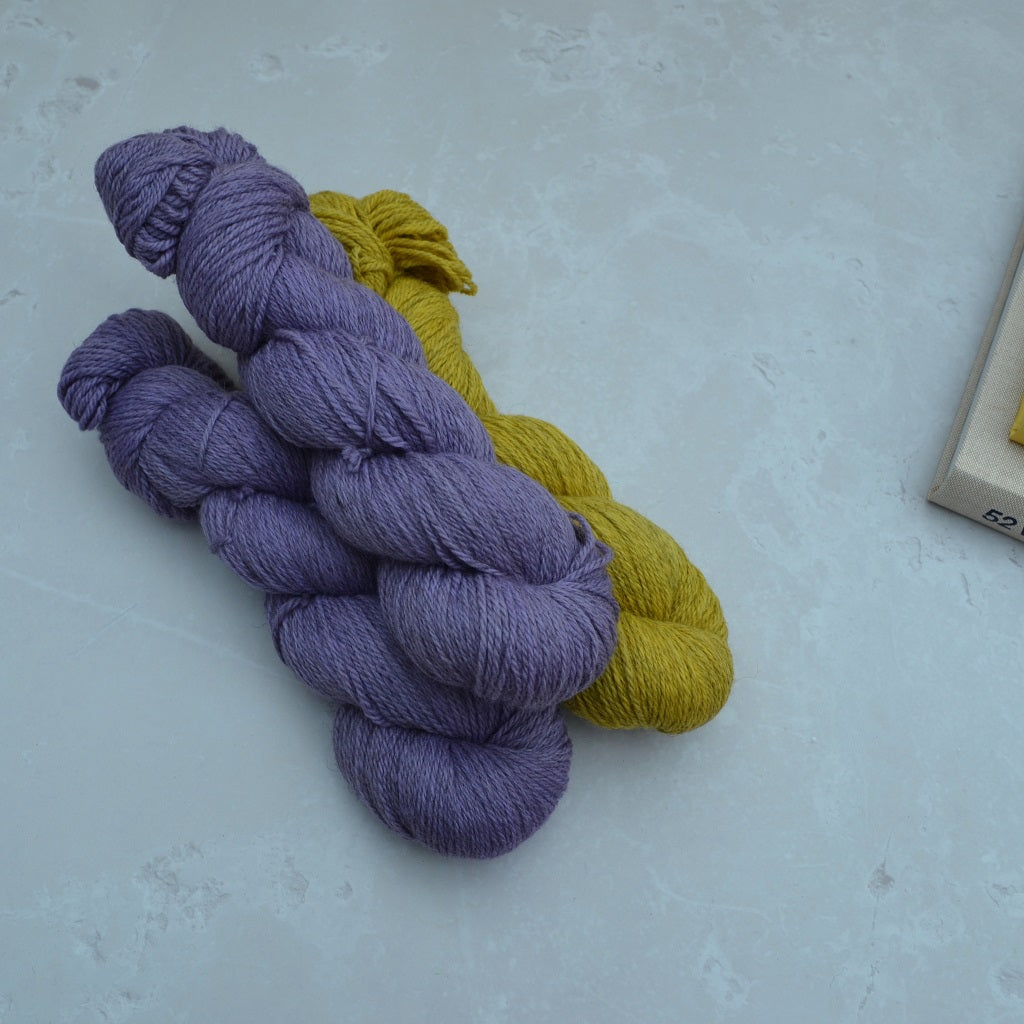
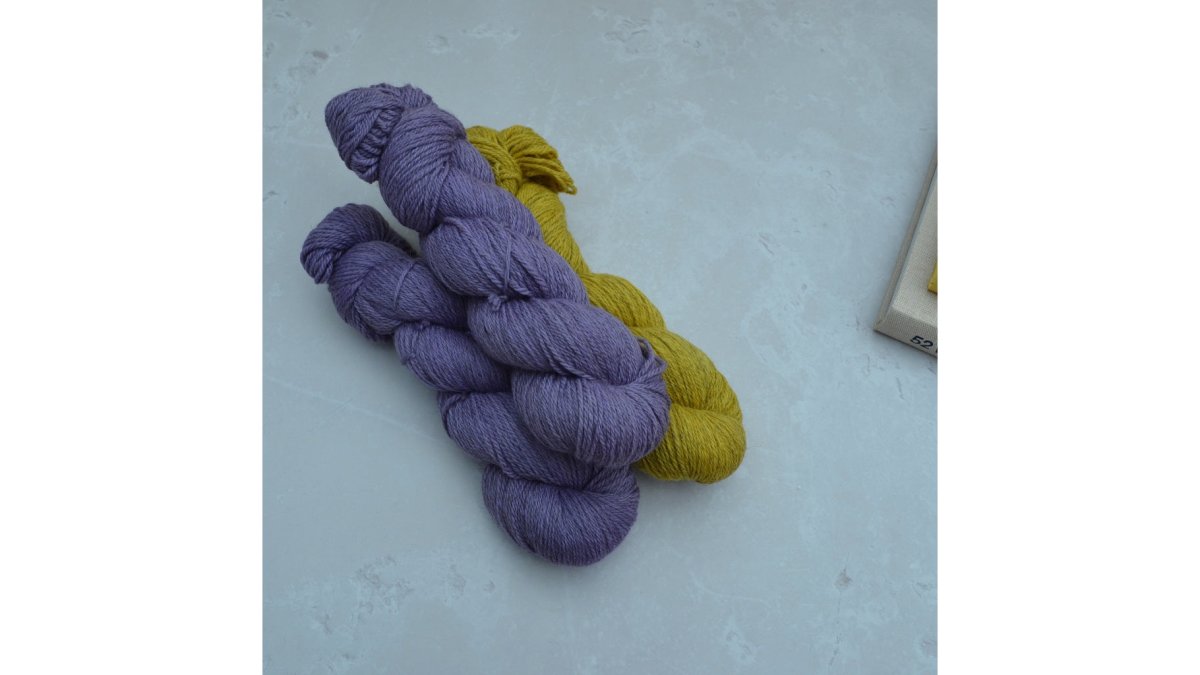
Natural and biodegradable materials are the strongest starting point: wool, cotton, linen, silk and bamboo are renewable, break down at end of life, and wool holds colour beautifully and lasts decades. Our Welsh Yarn Organic - Beacons is 100% organic British wool in DK weight, spun from Polwarth, Romney and Hebridean fleece and dyed in small batches.
Recycled paper and card reduces demand for virgin pulp, but thin recycled card can warp under wet media, check the gsm. Paints, crayons and drawing supplies deserve attention: check ingredient lists and choose materials that suit your project. Children's crafts need non-toxic ingredients first, look for clear ingredient lists, not a "natural" badge.
For the dye side, a hands-on course beats any buying guide. Our Cardiff craft workshops for adults are a practical way to start with plant-based colour before investing.
Recycled craft materials and reused household finds
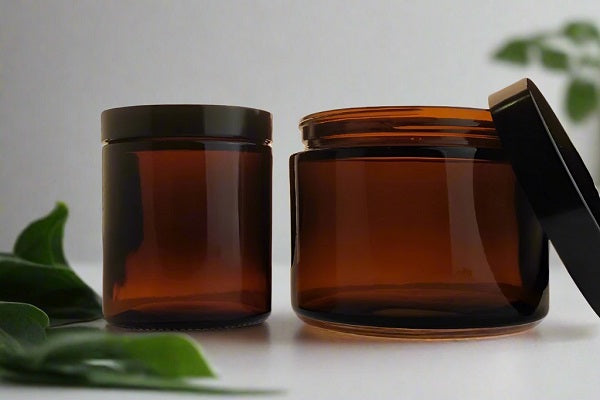
Reuse is the cheapest sustainability strategy available: fabric scraps, old cotton shirts, glass jars, cardboard packaging and leather offcuts all have a second life. Sort before you store, textiles, rigid containers, paper, and anything untouched for a year goes to someone who will use it.
Two habits make reuse work: repair rather than replace, and refill rather than rebuy. Our Lumos spare ink reservoirs exist for exactly this reason, and the Lumos Pro refillable pen is built to be kept. Watch out: reused packaging can carry inks and coatings you would not choose for a child's project.
Natural materials from wood, bark, shells and the garden
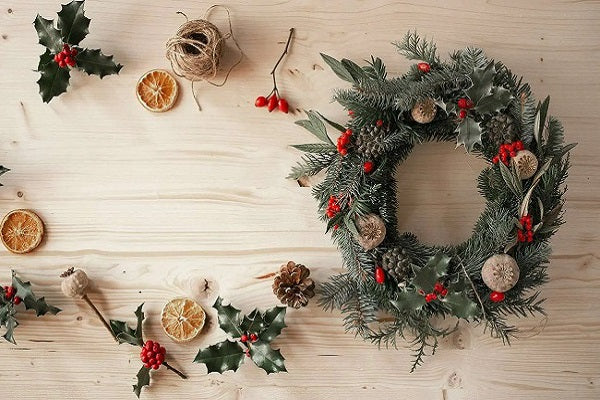
Wood, bark, shells, acorns and dried seed heads give texture no synthetic supply can match, and they cost nothing but a walk. Take fallen material rather than cutting from living plants, avoid protected species, and never collect from nature reserves.
Drying is the step most people skip: bark and shells must be clean and thoroughly dry or they will warp, mould or discolour. Our Sap Green botanical ink is made to a medieval recipe from buckthorn berries and comes in a reusable glass bottle with plastic-free, recyclable packaging.
How do you verify sustainability claims before buying?
Ask for the specifics behind the label. "Natural" and "eco-friendly" are marketing words, not standards, so a supplier should be able to say where the material came from, how it was processed, and what the packaging is made of.
Three questions cut through most of the noise:
- Where was it made? Locally sourced materials travel less and are easier to trace.
- What is it actually made of? A full fibre or ingredient list, not a category.
- What happens to it at end of life? Compostable, recyclable or genuinely durable.
At TirGlas, our wool is woven in Wales from UK wool and produced in limited numbers, so the provenance is short enough to explain in a sentence. That is the standard worth holding other suppliers to.
Comparing material types at a glance
| Material type | Typical cost | Best for | Main trade-off |
|---|---|---|---|
| Organic wool yarn | £19-£24 per 100g skein | Knitting, textiles, cable work | Higher upfront cost |
| Recycled paper and card | Low | Paper crafts, card blanks, packaging | Can warp with wet media |
| Botanical inks | £19.50 per 30ml bottle | Calligraphy, dye samples, sketch work | Natural settlement, needs shaking |
Building a low-waste crafting practice that lasts
Waste reduction comes from buying less and buying better, not from swapping one disposable supply for a greener disposable supply. Start with one discipline: natural, traceable yarn if you knit; refillable tools and botanical inks if you draw; non-toxic ingredients and reuse if you craft with children.
That is the whole argument: sustainable craft materials for makers are not a separate shopping list. They are the same list, chosen more carefully.
Most crafters want to buy better but cannot tell which suppliers are genuine. TirGlas makes that decision easier with pure new wool Welsh blankets, naturally dyed yarns and botanical inks, all produced in small batches with traceable provenance, plus in-person workshops that teach the techniques behind them. Get started with TirGlas and build a studio stocked with materials you can explain, trust and keep using for years.
Frequently Asked Questions
What are the most sustainable materials for crafting?
Natural fibres such as wool, linen and cotton, recycled paper and card, and reused fabric scraps are among the most sustainable craft materials because they are renewable, biodegradable or already in circulation. Look for organic certification on yarn and paper, and check that dyes are plant-based or low-impact. Durability matters as much as origin: a well-made wool yarn that lasts a decade beats a cheap synthetic that pills after two washes. Buy only what a project needs and keep offcuts for smaller makes.
How can I tell whether craft materials are sustainably made?
Ask three questions: where the fibre or paper came from, how it was processed, and what happens to it at end of life. Reputable makers publish this detail, including farm or mill names and dye methods. Certifications help, but a short supply chain you can trace is often more telling than a logo. For sustainable yarn, check whether the fleece is sourced locally and spun at a named mill. If a listing only says natural or ethical with no specifics, treat the claim as unverified.
How can I reduce waste when making crafts?
Plan the project before buying, keep a box for offcuts and test pieces, and choose materials that compost or recycle. Low-waste crafting starts with accurate measurements: a 100g skein of DK yarn at 270m goes further when you swatch first. Reuse packaging as storage, save fabric scraps for patchwork or stuffing, and return unused dye bath water to the garden where plant dyes are used. Small habits, repeated across every project, cut both waste and cost.
