








Which Botanical Dyeing Workshop in Cardiff Suits You?
Last Updated: 12 November 2026
Quick Summary
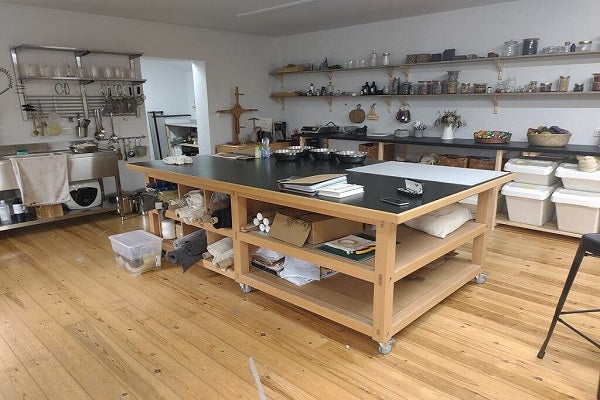
A botanical dyeing workshop in Cardiff is a hands-on session where you learn to colour wool, silk, cotton or linen using plant-based dyes rather than synthetic ones. At TirGlas, workshops run in a purpose-designed Dye House in Cardiff Bay, with small groups and all materials included.
- The one-day Protein Fibres workshop costs £140 and covers wool, alpaca and silk.
- The one-day Cellulose Fibres workshop costs £155 and covers cotton, linen and bamboo.
- The two-day Protein & Cellulose course costs £280 and teaches both fibre types properly.
- Group sizes are capped at eight on the protein day and six on the cellulose and two-day courses.
- Every course is built for beginners, so no prior dyeing experience is needed.
Ready to dye your own wool and cloth?Small-group natural dyeing workshops in Cardiff Bay, all materials included, beginner-friendly.
Book a Dyeing Workshop
Table of Contents
- Choosing a Botanical Dyeing Workshop in Cardiff
- A Natural Dyeing Workshop for Beginners: What You Will Actually Learn
- Plants for Natural Fabric Dyeing and Natural Dyeing on Wool
- Frequently Asked Questions
Choosing a Botanical Dyeing Workshop in Cardiff
A botanical dyeing workshop in Cardiff is a hands-on session where you learn to colour wool, silk, cotton or linen using plant-based dyes rather than synthetic ones. At TirGlas, workshops run in a purpose-designed Dye House in Cardiff Bay, with small groups and all materials included.
| Workshop | Duration | Price | Best for |
|---|---|---|---|
| Protein Fibres | 1 day, approx. 6 hours | £140 | Wool, alpaca and silk |
| Cellulose Fibres | 1 day, approx. 6 hours | £155 | Cotton, linen and bamboo |
| Protein & Cellulose | 2 days, approx. 6 hours per day | £280 | Learning both fibre types properly |
Price
Protein Fibres £140
Cellulose Fibres £155
Protein & Cellulose £280
Book two tickets together and you get 8% off the second; book three and you get 10% off the second and third, applied automatically at checkout. Group sizes stay small: a maximum of eight on the protein day and six on the cellulose and two-day courses.
You can browse the natural dye workshops in Cardiff Bay for dates and booking, or read the answers to common questions about the one- and two-day courses before you commit.
A Natural Dyeing Workshop for Beginners: What You Will Actually Learn
Every course is built for beginners, so no prior dyeing experience is needed. You will learn to use mordants to create lasting colour, prepare fibres, and achieve different shades and tones (2023 - Natural Dyeing: A Heritage of Colour - V&A Academy Course at V&A South Kensington).
You leave with your own dyed samples plus a printed file. You can meet the tutor and see upcoming dates.
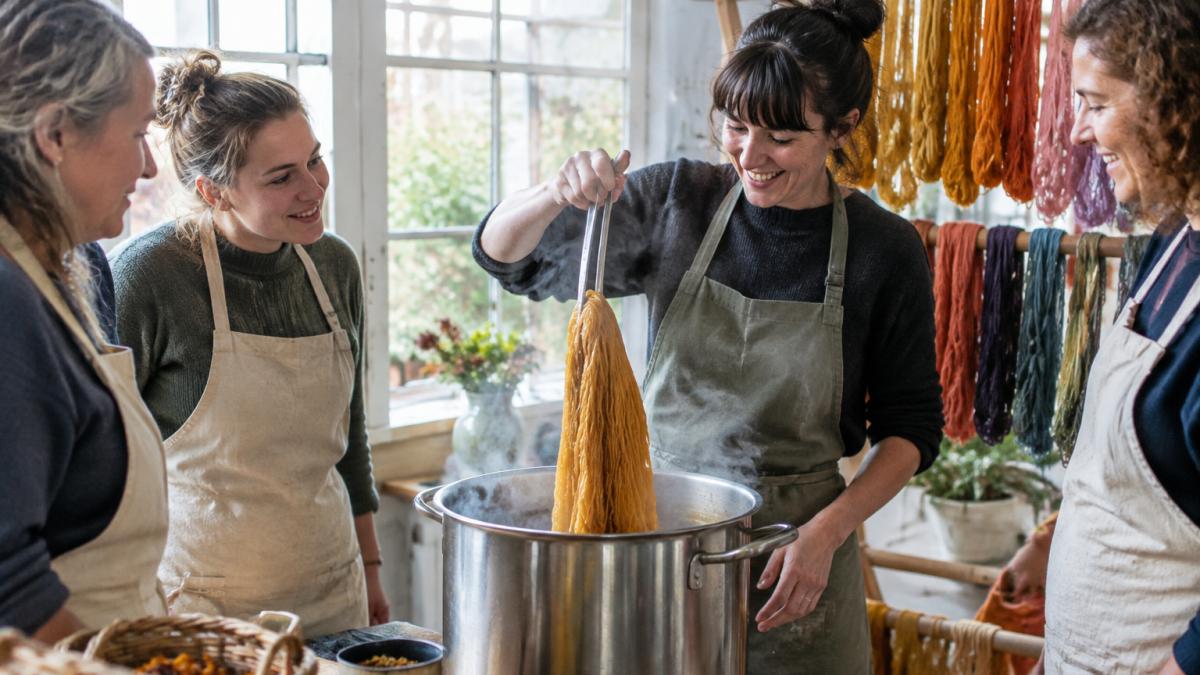
Plants for Natural Fabric Dyeing and Natural Dyeing on Wool
Protein fibres such as wool, alpaca and silk take plant dyes differently from cellulose fibres such as cotton, linen and bamboo, which is why we teach them as separate days.
On the wool day you will work with professional natural dye extracts and learn how to build a range of shades and tones from a single bath. See the one-day protein fibres workshop; for cotton and linen, the one-day cellulose fibres workshop covers the same ground for plant-based fabrics.
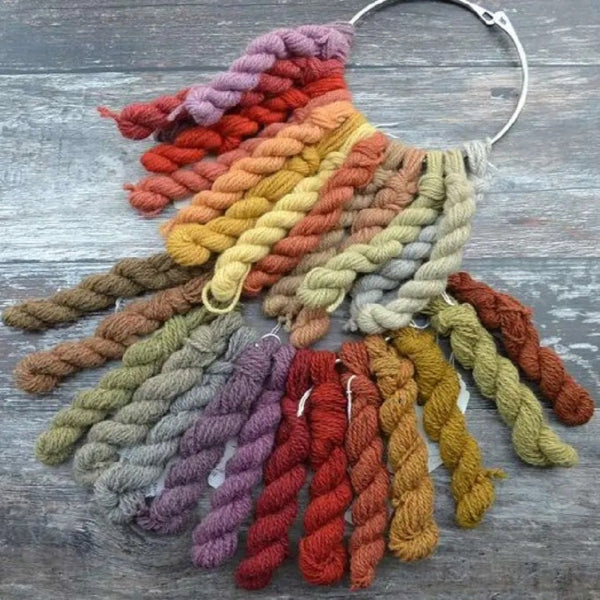
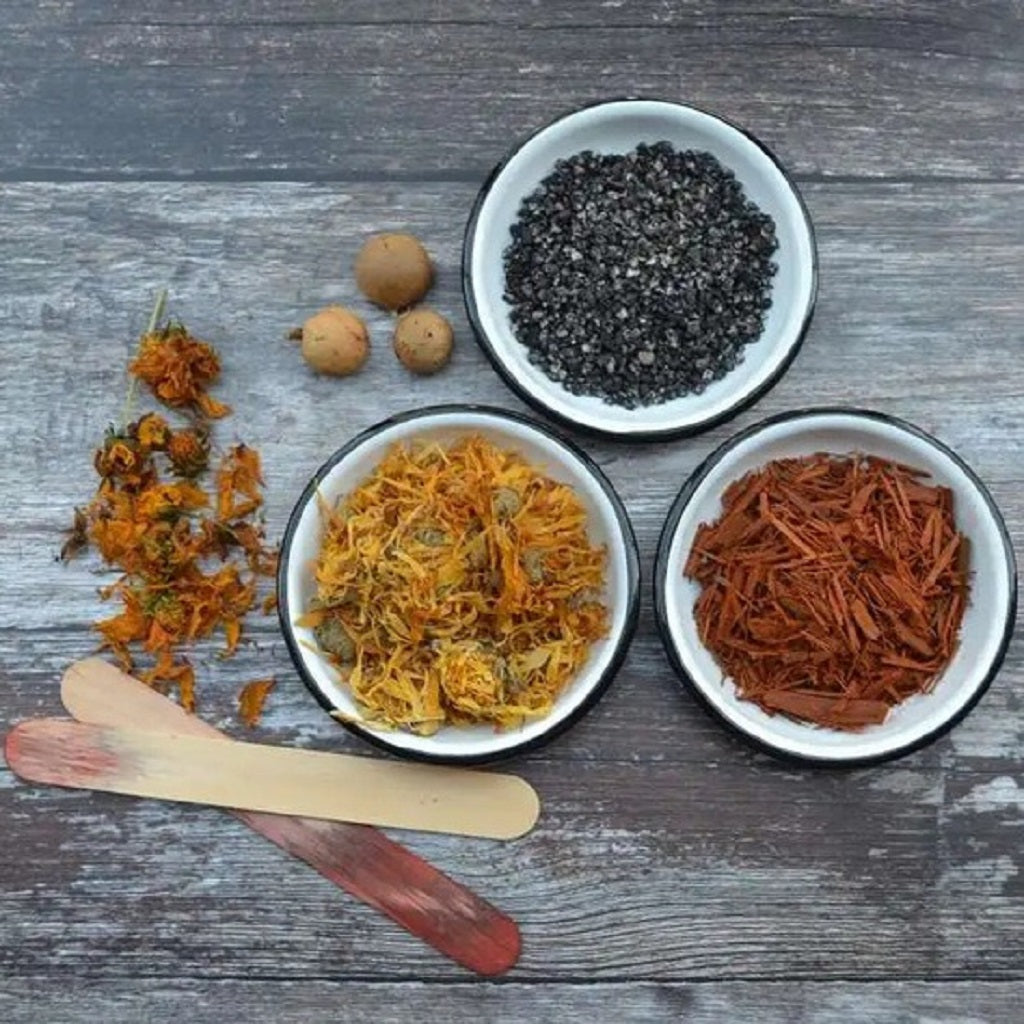
Cardiff has a growing choice of craft courses, and the difference between a taster and a real skill lies in group size and how much you handle yourself. TirGlas keeps groups to six or eight, supplies all fibres, mordants and dye extracts, and sends you home with samples and written notes so you can keep dyeing. Get started with TirGlas and book a place on a Cardiff Bay workshop.
Frequently Asked Questions
Do I need experience to join a botanical dyeing workshop?
No. The workshops in Cardiff Bay are pitched at beginners, and group sizes are kept small, with a maximum of six on the two-day course and six to eight on the one-day courses, so there is plenty of tutor attention. You will be shown how to prepare fibres and use mordants to create lasting colour. Everything you need, including fibres, dye extracts and a printed summary to take home, is provided on the day.
Can you use plant dyes on wool as well as cotton and linen?
Yes, but the two fibre types need different preparation. Wool, alpaca and silk are protein fibres and take plant dyes readily, while cotton, linen and bamboo are cellulose fibres. The two-day course covers both, and the one-day courses focus on one type so you can go deeper. If you mainly knit, the protein fibres day is the natural starting point.
How should I wash fabric I have dyed with plants?
You leave with a printed file summarising the workshop for reference at home.
